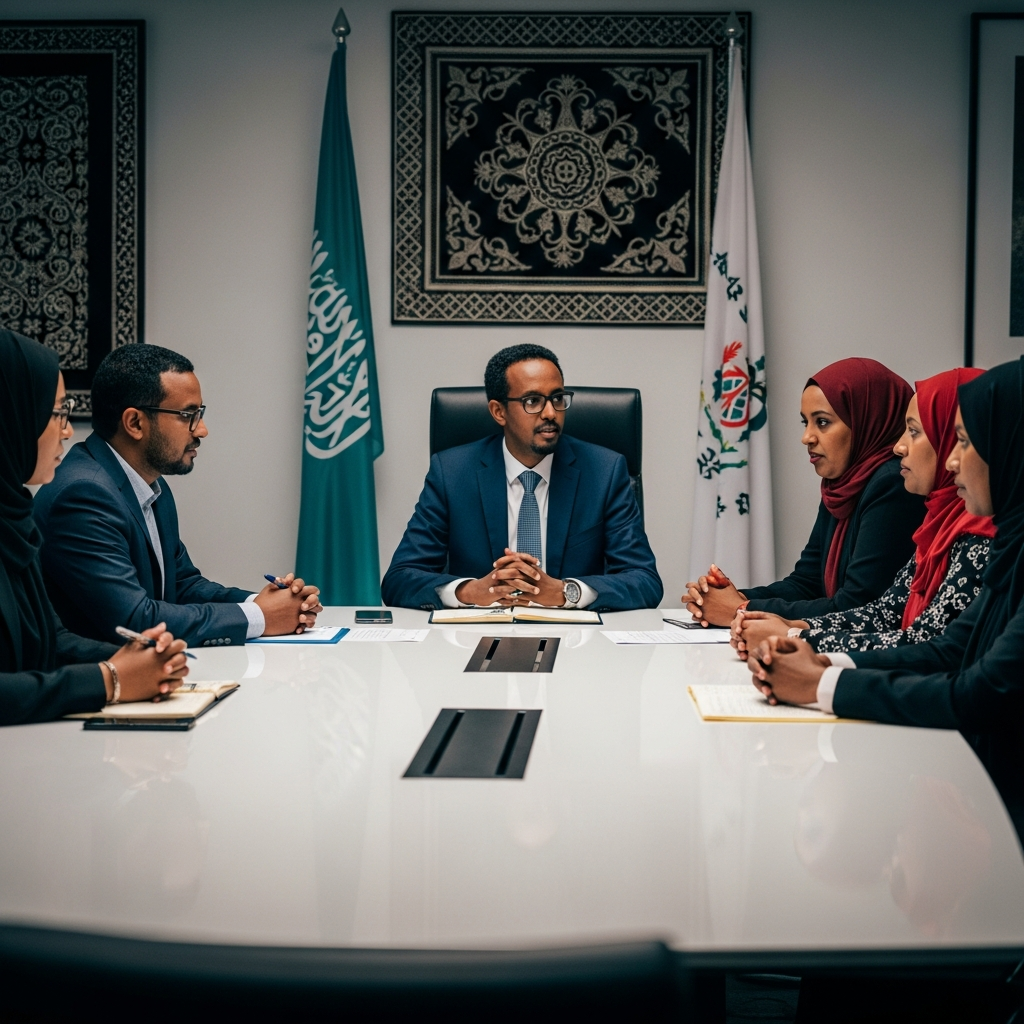
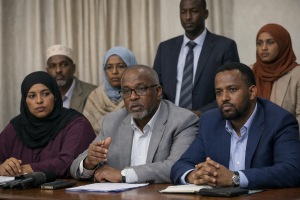
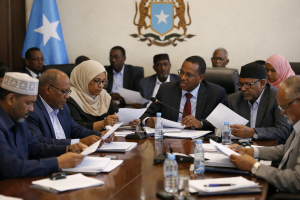
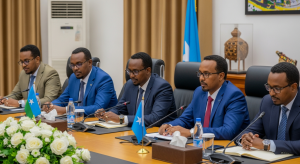
Dialogue continues to play a defining role in managing political disagreements within Somalia’s federal system. In a complex political environment, dialogue has often proven more effective than confrontation in resolving disputes.
Political disagreements frequently arise over governance arrangements, resource sharing, and institutional authority. Analysts observe that structured dialogue mechanisms provide space for compromise while reducing the risk of escalation.
Past experiences show that inclusive dialogue processes, though time consuming, tend to produce more sustainable outcomes. Agreements reached through consultation are more likely to gain acceptance across political actors and regions.
Observers caution, however, that dialogue must be supported by good faith participation and clear frameworks. Without follow through, dialogue risks becoming performative rather than transformative.
Strengthening dialogue platforms, including intergovernmental forums and mediation mechanisms, is increasingly seen as essential to maintaining political stability. Transparent communication with the public further reinforces confidence in negotiated outcomes.
As Somalia navigates future political milestones, dialogue will remain a central tool for managing differences and preserving stability.