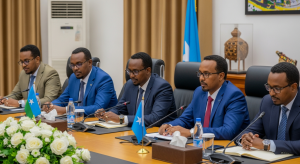
Migration trends involving Somali communities continue to shape diaspora engagement and policy discussions, as governments and international partners assess mobility patterns and their implications.
Officials working on migration and diaspora affairs noted that recent movements reflect a combination of economic opportunity seeking, family reunification, and education related mobility. They emphasised the importance of understanding these trends to inform policy planning and service provision.
Diaspora organisations have highlighted the role of migrants in maintaining social and economic ties with communities of origin. They noted that remittances, skills transfer, and knowledge exchange remain key contributions of mobile populations.
Policy analysts observe that migration trends influence labour markets, education systems, and integration policies in host countries. They stress that constructive engagement between origin and host countries can help maximise the benefits of mobility while addressing associated challenges.
International partners have supported initiatives aimed at promoting safe migration pathways and strengthening diaspora engagement frameworks. They emphasised the importance of evidence based approaches in shaping effective migration policies.
Stakeholders reiterated the need for continued dialogue on migration issues to support development, social cohesion, and regional cooperation.