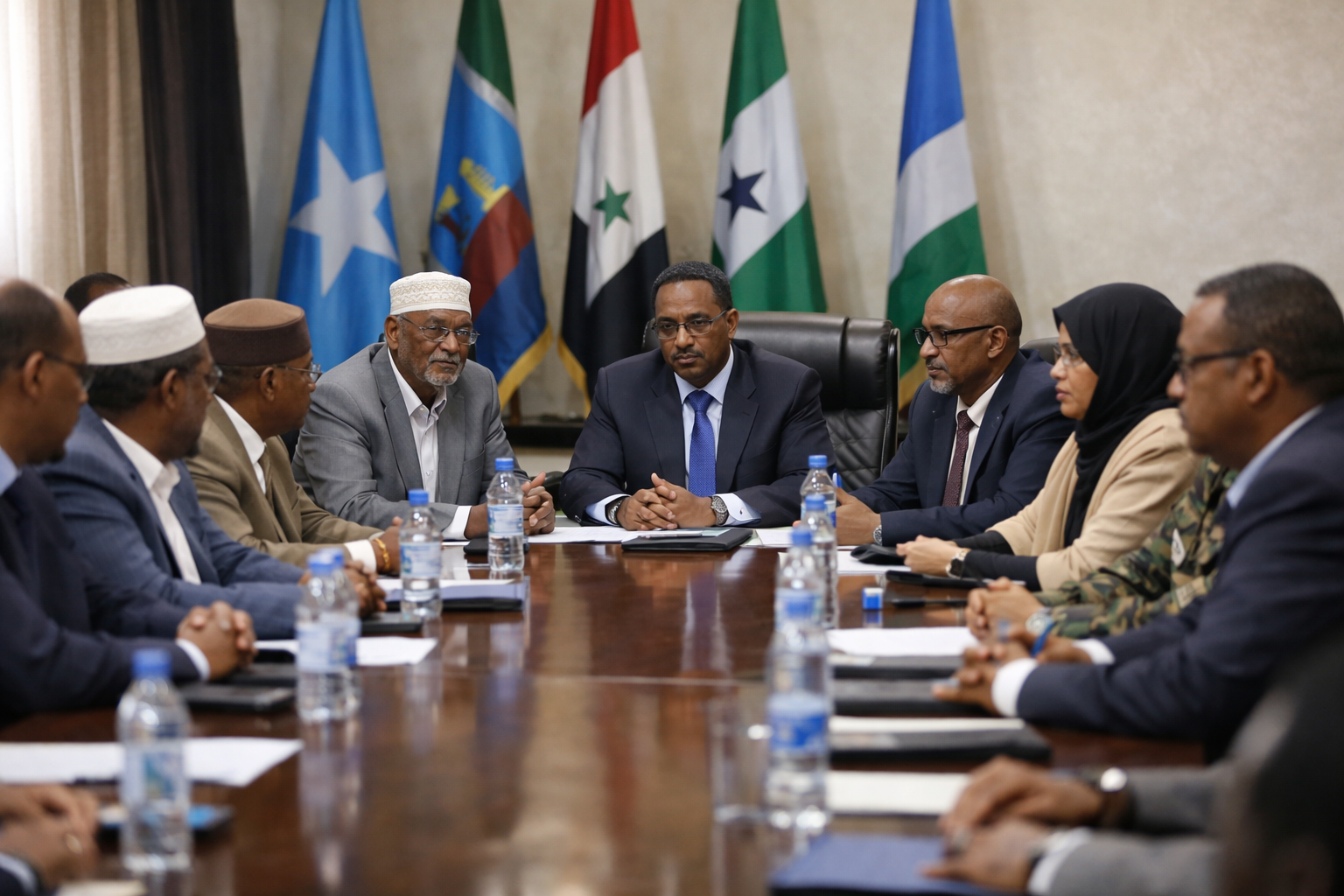
Somalia’s federal system continues to evolve, raising important questions about the balance between federal authority and the autonomy of Federal Member States. Striking this balance remains central to effective governance and political cohesion.
Federalism was adopted to accommodate Somalia’s diverse political and social landscape. In practice, however, overlapping mandates and unclear divisions of responsibility have often led to tension between federal and state institutions. Disagreements frequently emerge around resource allocation, security coordination, and policy implementation.
Supporters of stronger federal authority argue that central coordination is necessary to ensure national stability and coherent policymaking. They point to areas such as fiscal management and national security, where fragmented approaches can undermine effectiveness.
Conversely, advocates of greater state autonomy emphasise the importance of local decision making and responsiveness to community needs. They contend that excessive centralisation risks weakening the principles of federalism and eroding trust between levels of government.
Analysts note that sustainable governance will depend on clarifying roles through constitutional interpretation, legal frameworks, and consistent political practice. Mechanisms for dispute resolution and structured intergovernmental dialogue are increasingly seen as essential tools.
As Somalia continues its state building journey, finding a workable equilibrium between federal leadership and state autonomy will remain a defining challenge for policymakers.